Table of Contents
Anxiety vs. clinical depression: Just how to inform the distinction Anxiousness is identified by extreme fear and concern, while clinical depression is marked by relentless unhappiness and a loss of interest. You can have both psychological health conditions. Stress and anxiety and depression are 2 typical problems that affect both your emotional and physical health and can disrupt your every day life via tasks and relationships.
In this post, we'll information the key similarities and essential differences in between both conditions. Anxiety and depression are 2 of the most typical psychological health and wellness disordersand despite the fact that both disorders stand out from each various other in regards to exactly how they are detected and dealt with, some signs of anxiety and anxiousness overlap and lots of people experience both.
Emotional and Somatic Healing for Processing Anxiety
If you have intense sensations of concern or stress, it can cause sensations of despondence and sadness. However without treatment signs of depression can also cause anxiety sensations of worthlessness or disappointment can turn into nervousness and fear. And though they share these commonalities, anxiousness and depression are two different categories of conditions.
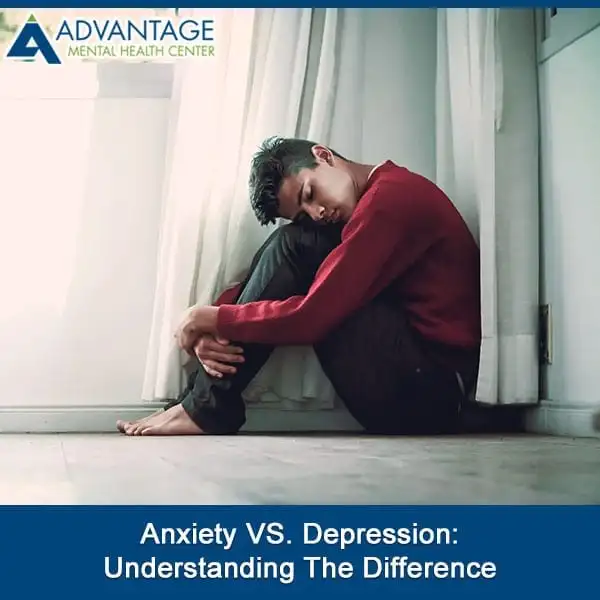
Stress and anxiety isn't something you can chat or reason your escape of on your very own, so if you assume you may be experiencing a stress and anxiety condition, connect for specialist help. To discover even more regarding sorts of stress and anxiety disorders and exactly how they are dealt with check out: Stress and anxiety disorders: An introduction of the 5 major types. Anxiety is a sort of state of mind condition and usual psychological wellness condition that influences just how you feel, assume, and act.
Understanding Burnout and Depression in Singapore
Clinical depression can additionally make it difficult to assume, concentrate, or keep details. Experiencing rounds of despair is an expected emotion and part of everyday life, yet scientific anxiety is various in that these feelings and ideas persist for at least two weeks along with various other signs., Fifth edition (DSM-5) to be diagnosed as scientific anxiety, 5 or more signs and symptoms must be existing and need to last for at the very least two weeks.
Healing From Complex Trauma Compassionate Process-Oriented Therapy
If you're not fairly feeling like yourself, make an appointment with a healthcare carrier like your PCP or a specialist or psychoanalyst, which are clinical doctors that specialize in treating mental health and wellness conditions. These problems are complex and getting an exact diagnosis is the first step to feeling better.
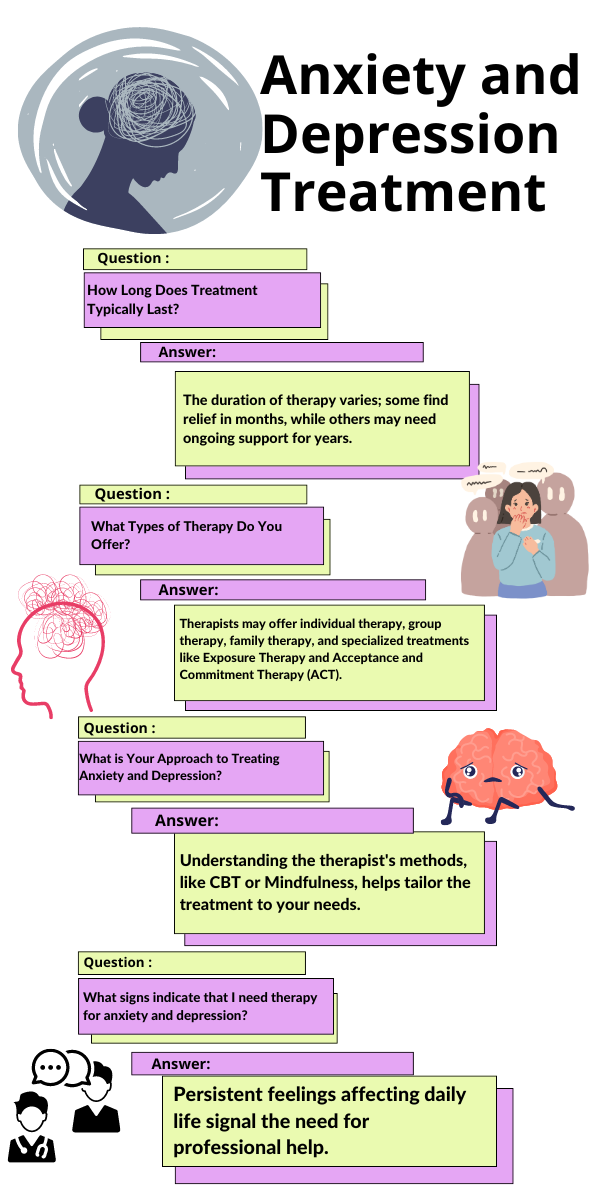
And individuals that are diagnosed with stress and anxiety are additionally likely to have clinical depression, as well. If you're experiencing these symptoms for an extended duration, it's best to seek specialist aid early to minimize the threat of co-occurring conditions and boost therapy results.
There are effective treatment alternatives and medicines that can aid ease symptoms connected with both problems. Usually, it's very easy to ignore your stress and anxiety and clinical depression, assuming that it's "okay enough," or that it'll "just disappear" with time. And while it's real that there are various seriousness to the conditions, when anxiousness or clinical depression gets in the means of daily tasks or partnerships, it could be an indication that you need some extra assistance.
Sustained Wellness in Singapore After Therapeutic Work
Read Time: 8 Minutes Anxiousness and depression are two of one of the most common psychological health and wellness problems we see. And though Anxiousness and anxiety are two of one of the most common mental health conditions we see. And though they're often puzzled, they're in fact different classes of conditions. A few of the complication stems from an overlap in signs and in the fact that they usually co-occur.

Clinical depression, on the various other hand, is a state of mind problem that triggers frustrating feelings of despair or lethargy. Part of the reason why anxiety vs clinical depression can be tough for many individuals to determine is that there are overlapping signs and symptoms in the 2 conditions.

Navigation
Latest Posts
Fostering a Resilient Base In Acceptance and Commitment Therapy in Denver
Physiological Impact of Intergenerational Trauma Through Parts Work Therapy
Self-Esteem and Confidence through Adaptation