Table of Contents
The 5 stages of despair are denial, rage, negotiating, clinical depression, and acceptance. Every person experiences despair in different ways, and it is important to allow people to regret in their very own way. If you or a liked one is managing loss, it can be practical to find out more concerning the mourning procedure.
It's vital to keep in mind that the mourning procedure can be complex, and it isn't the same for every person. These actions might not be complied with precisely, or other sensations may surface after you believed you were with the phases of grieving. Permitting space to experience pain in your very own way can assist you recover after loss.
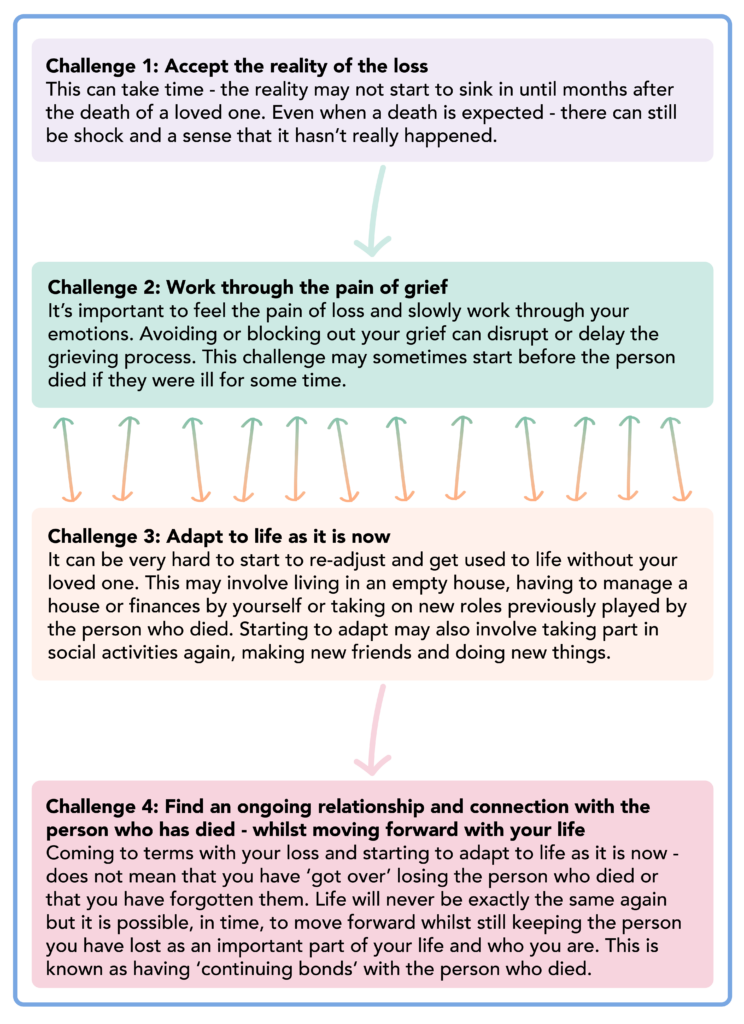
It recommends that we experience five distinct phases after the loss of a liked one. These stages are rejection, rage, bargaining, anxiety, and lastly acceptance. In the very first stage of the mourning process, denial helps us decrease the overwhelming pain of loss. As we refine the truth of our loss, we are also attempting to endure psychological discomfort.
Throughout this phase in grieving, our reality has actually changed entirely. It can take our minds time to adapt to our new reality. We mirror on the experiences we have actually shown to the individual we shed, and we might find ourselves wondering how to relocate onward in life without this individual. This is a whole lot of details to check out and a whole lot of agonizing imagery to procedure.
Developing a Life of Balanced Achievement in Los Angeles
Rejection is not just an attempt to act that the loss does not exist. We are additionally attempting to absorb and understand what is taking place. The 2nd phase in grieving is rage. We are trying to get used to a brand-new reality and are most likely experiencing severe emotional discomfort. There is a lot to refine that temper may seem like it permits us an emotional electrical outlet.
Anger also often tends to be the first thing we really feel when beginning to release feelings associated to loss. This can leave us feeling isolated in our experience.
During bargaining, we often tend to concentrate on our personal faults or remorses. We may look back at our communications with the individual we are shedding and note constantly we really felt separated or might have created them pain. It prevails to remember times when we may have claimed points we did not mean and want we could go back and behave in a different way.
Throughout our experience of handling sorrow, there comes a time when our creative imaginations relax and we slowly begin to take a look at the fact of our present circumstance. Haggling no longer feels like an alternative and we are confronted with what is taking place. In this stage of grieving, we start to feel the loss of our loved one even more abundantly.
Self-Care for Healthcare & Medical Professionals Practitioners
In those moments, we tend to pull inward as the unhappiness grows. We could find ourselves retreating, being less friendly, and getting to out much less to others concerning what we are going with.

, it is not that we no longer feel the pain of loss. Instead, we are no much longer standing up to the reality of our scenario, and we are not having a hard time to make it something various.
There is no details time duration for any one of these phases. Someone might experience the phases quickly, such as in a matter of weeks, whereas an additional person may take months or even years to move with the phases of grieving. Whatever time it considers you to move through these phases is completely regular.
Fight-Flight-Freeze Balance for Healthcare & Medical Professionals Specialists in the Local Area
You may or might not go via each of these phases or experience them in order. We may additionally move from one phase to one more and potentially back once more prior to fully relocating into a brand-new phase.
These designs can offer better understanding to people that are hurting over the loss of a loved one. They can also be used by those in recovery professions, aiding them to provide efficient care for mourning people that are seeking educated guidance.
British psychoanalyst Colin Murray Parkes established a model of pain based upon Bowlby's concept of accessory, recommending there are 4 stages of grieving when experiencing the loss of a loved one:: Loss in this phase really feels difficult to accept. Many carefully pertaining to Kbler-Ross's stage of denial, we are overwhelmed when trying to deal with our emotions.
: As we refine loss in this phase of despair, we might begin to seek comfort to fill up the void our liked one has actually left. We could do this by reliving memories through images and looking for indications from the individual to really feel linked to them. In this stage, we end up being extremely preoccupied with the person we have shed.
High-Functioning Depression Behind the Appearance of Accomplishment
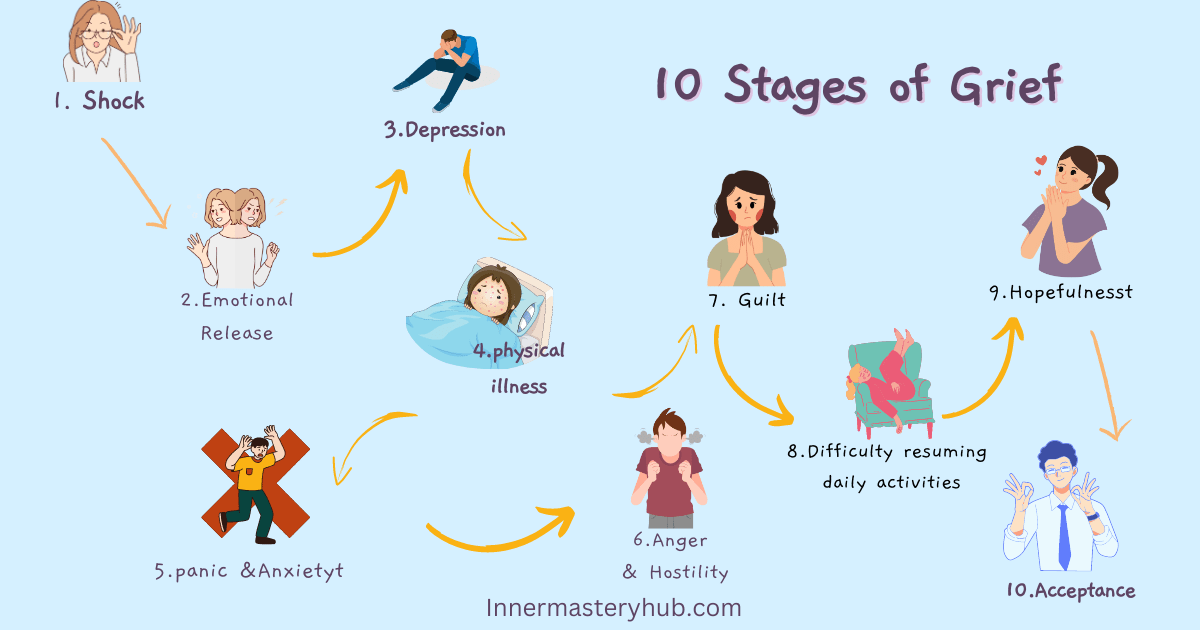
The understanding that our loved one is not returning really feels real, and we can have a tough time understanding or locating hope in our future. We may really feel a bit pointless during this section of the grieving process and resort from others as we process our pain.: In this phase, we really feel a lot more confident that our hearts and minds can be restored.

Navigation
Latest Posts
When Individual Trauma Shapes Your Patterns in Denver
Exploring Somatic Approach in Relationship Work
Research-Supported Treatments for Trauma in Roseville, CA